
From lifelong friendship with Eleanor Roosevelt to becoming Arizona's first congresswoman, Isabella Greenway's influence shaped both her state and the nation. Isabella Greenway (1886 - 1953)
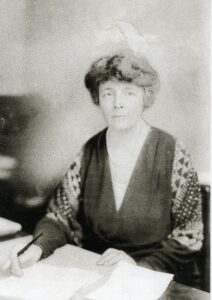
Isabella Greeway
Few Arizona women left a mark on public life as profound as Isabella Greenway. A rancher’s daughter, entrepreneur, humanitarian, and politician, Greenway transformed personal adversity into a lifetime of service. Her journey carried her from the Dakota Territory to the halls of Congress and ultimately to the creation of one of Arizona’s most enduring landmarks, the Arizona Inn.
After the untimely death of her father, Isabella and her mother left their Dakota Territory ranch and relocated first to Minnesota and later to New York. She attended Miss Chapin’s School in New York City, where she formed a lifelong friendship with Eleanor Roosevelt. Their bond remained strong throughout their lives, and in 1905 Isabella served as one of Eleanor’s bridesmaids when she married Franklin D. Roosevelt.
Like her friend Eleanor, Greenway developed a deep interest in public service and civic engagement. During World War I, she organized and directed a network of Southwestern women who kept farms operating while men served overseas. Her commitment to helping others continued in the years that followed. In the late 1920s, she established Arizona Hut, a furniture factory that provided employment opportunities for disabled veterans and their families. As the Great Depression took hold, she expanded that vision by opening the Arizona Inn in 1930, ensuring continued work for many of her employees.
Greenway also emerged as an influential political leader. In 1928, she became Arizona’s Democratic National Committeewoman and played a prominent role in Franklin Roosevelt’s 1932 presidential campaign, even delivering a speech seconding his nomination at the Democratic National Convention.
That same year, Greenway made history when she became the first woman elected to Congress from Arizona, winning a special election to fill an unexpired term. As Arizona’s sole representative in the 73rd Congress, she quickly proved an effective advocate for her constituents and was reelected in 1934.
Her close friendship with the Roosevelts continued during her years in public office. In 1933, First Lady Eleanor Roosevelt made her first visit to Arizona, staying with Isabella at the Greenway home in Ajo. Before arriving, Mrs. Roosevelt stopped in Douglas to dedicate the Douglas International Airport, which was recognized as the nation’s first international airport. The visit underscored both Greenway’s longstanding friendship with the First Lady and Arizona’s growing importance on the national stage.
Despite her support for much of President Roosevelt’s New Deal agenda, Greenway maintained an independent political voice. She opposed efforts to reduce pensions for World War I veterans, believing such measures would unfairly burden those who had served their country. She also questioned portions of the Social Security Act that she felt would be difficult to sustain in the long term. Her willingness to break with her political allies demonstrated a commitment to principle over party loyalty.
On her fiftieth birthday, Greenway announced her retirement from public office, despite widespread expectations that she could easily win reelection. Her political career was brief but significant, opening doors for future generations of women in Arizona politics.
Isabella Greenway died of heart failure on December 18, 1953, at her home at the Arizona Inn. More than seven decades later, her legacy endures through her contributions to Arizona’s civic life, her pioneering role in Congress, and the Arizona Inn itself, which remains owned and operated by the fourth generation of the Greenway family. Her life stands as a remarkable example of leadership, independence, and service to community.