
A curated library of local history told by the people who lived it, studied it, and preserved it
Our OVHS Video Series brings together a rich collection of presentations, interviews, oral histories, and archaeological insights that illuminate Oro Valley’s past. This page serves as a multimedia archive featuring founding families, local historians, archaeologists, community leaders, and longtime residents who share firsthand stories and expert knowledge about the region’s heritage.
Visitors can explore topics ranging from Hohokam culture, Steam Pump Ranch history, and Empire Ranch, to Gold Basin meteorites, public art, pioneer families, and Oro Valley’s growth and governance. The collection also includes OVHS’s 20th‑anniversary videos, mayoral reflections, and rare archival footage that captures everyday life and extraordinary moments in Southern Arizona.
Together, these videos offer an accessible, engaging way to experience Oro Valley’s history—preserved, narrated, and celebrated by the people who know it best.

On October 18, 2025, OVHS marked its 20th anniversary as a champion of Greater Oro Valley history. Enjoy this short video featuring OVHS founding members, longtime supporters, and Town Council representatives. The celebration concluded with a ribbon‑cutting led by Mayor Joe Winfield. Filmed by Mark Headley, Producer, Production Manager, Director on October 18, 2025.

A big thank you to Kenny Darr of KGUN 9 News for highlighting the Oro Valley Historical Society, Steam Pump Ranch, and the Pusch House Museum. OVHS marks 20 years of Sharing the Past, Enriching the Present, Inspiring the Future! (September 2025 - Thanks, Devon Sloan and Bob Kellar!) Click this URL.

Join archeologist Connie Bacon as she reflects on the enduring legacy of Steam Pump Ranch, a vital watering hole that once fueled the region’s bustling cattle industry. Built in 1875, Bacon explores the structure's rugged history, pointing out its original rifle slits designed for defense against Apache raids to the sophisticated steam engine that drew water for thirsty travelers and livestock alike. While she notes with concern that the weathered adobe may not survive much longer without preservation, the site remains a resilient landmark of Arizona's frontier history. Decades after this 1980s account, the pump house continues to stand as a testament to the enduring legacy of the Steam Pump Ranch. Find this video, its transcriptions, and other pictures at Through an Archaeologist’s Eyes: Connie Bacon. *We apologize for the poor quality but thought it would provide value to people regardless.

Pat Spoerl, archaeologist and Oro Valley Historical Society co-founder, explores the construction of the George Pusch adobe house, restored to its 1870s–1920s appearance. She also highlights later additions by the Procter-Leiber family and the ranch’s 2007 acquisition and later restoration by the Town of Oro Valley. Thank you to Pima Community College Pat Spoerl and OVHS for the production of this video. Go to Restoring the George Pusch House at Steam Pump Ranch. This video, filmed February 27, 2024, can also be viewed at Pima CC website.
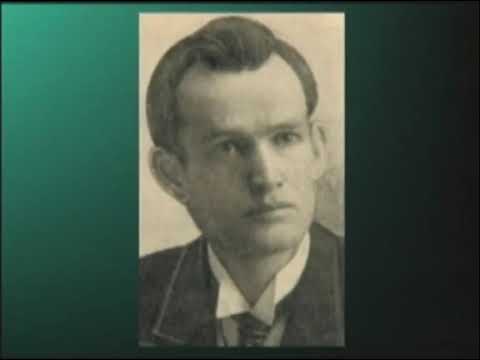
Join Hank Zipf—grandson of pioneering homesteaders George and Mathilda Pusch—for a captivating look into the history of Oro Valley and the San Pedro Valley. Hank reminisces about the realities of early Arizona ranch life, peaceful relations with local Apache, and how author Harold Bell Wright’s stay in a local line shack inspired the region's first guest ranch. He also details the property's mid-century transformation into the Oro Valley Estates, family ties to Major League Baseball player Hank Leiber, and a firsthand memory of the day film star Tom Mix met his tragic end. This unique oral history offers an unforgettable glimpse into the deep family and cultural ties that shaped the region. Find the full transcript and additional photos atThe History of George Pusch and the Steam Pump Ranch as Told by Hank Zipf.
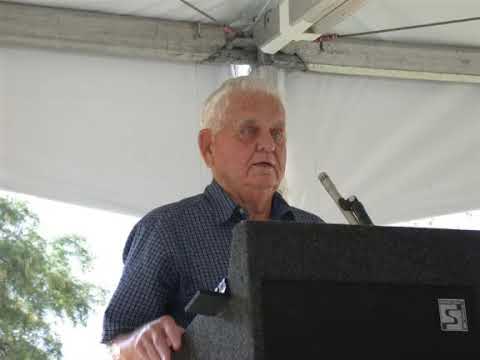
This interview with Oro Valley native Hank Zipf captures a lifetime of memories tied to the town’s early ranching days and the development of the surrounding community. Zipf shares firsthand recollections of prominent regional pioneers, including the McAdams, Rooney, and Nelson families, detailing how early land trades ultimately led to the creation of Catalina State Park and the neighborhood of Rancho Vistoso. Woven throughout the conversation are fond family stories regarding the historic Steam Pump Ranch, brought to life through a collection of vintage photographs showing the Pusch and Knabe families at home and at work. The interview offers a unique, deeply personal look at the evolution of Oro Valley from an unmapped desert landscape into a thriving modern community. Audio only; no video. Learn more at George Pusch Era 1874-1925.

Step into the world of early Oro Valley through vivid family stories of George Pusch—cattleman, businessman, and civic leader told by his great-granddaughter. From humorous ranch anecdotes to the founding of key local enterprises and his role in Arizona’s path to statehood, Barbara McIntyre’s account captures both the grit and spirit of the era. Personal memories of ranch life, community traditions, and multi-generational ties bring history off the page and into lived experience. Explore the enduring legacy of a pioneer family that helped shape Oro Valley. Find this video and other presentations, including their transcriptions, on History with Barbara McIntyre.

In this talk, George Pusch’s great-granddaughter shares more personal stories that bring his life as an early Tucson rancher and businessman to life. She reflects on his journey west, his work building a cattle empire, and the values of generosity and respect that shaped his relationships and family. Through memories of her relatives and childhood visits to the ranch, Barbara McIntyre connects past and present in a vivid, heartfelt way. The story ultimately celebrates the lasting legacy of the Pusch family in Oro Valley. Find this video and other presentations, including their transcriptions, on History with Barbara McIntyre.

Barbara McIntyre, a third-generation Tucsonan and descendant of George Pusch, grew up exploring the desert, riding horses, and enjoying family adventures from backyard barbecues to camping trips. A lifelong teacher and storyteller, she has preserved her family’s history and Tucson heritage as a docent with the Oro Valley Historical Society. Her life blends deep roots, community service, and a love for sharing the stories that shaped her hometown. Find this video and other presentations, including their transcriptions, on History with Barbara McIntyre. Filmed 2021.

This February 23, 2021, interview by Joel Woppert from the Town of Oro Valley captures John and Cheryl Leiber sharing firsthand memories of life at Steam Pump Ranch. John Leiber is a descendant of Hank Leiber, Major League Baseball player and husband of Betty Procter, daughter of ranch owner Jack Procter—underscoring the family's deep connection to the historic property. This video is on the Town of Oro Valley's YouTube channel. Learn more about the Procter-Leiber Family starting with John "Jack" M. and Elizabeth "Libba" Simmons-Procter and how their family grew.

On January 19, 2022, Dick Eggerding builds a legacy of Art, Community, and Vision in Oro Valley. This is a rich and personal oral history recounting his journey that reflects a deep commitment to enriching lives through the arts and leaving a legacy of beauty, education, and civic pride. Learn more about Dick Eggerding, the transcript of this video, and the History of Public Art in Oro Valley by Dick Eggerding.

In March 2022, the Town of Oro Valley recorded a video interview with Vivian Weede and her sons, Bob Jr., John, and Tom, highlighting the cultural legacy of Bob Sr. and Vivian Weede. As professional opera singers, the Weede's enriched Southern Arizona by bringing classical music and arts education to schools. In 1997, Bob Sr. co-founded the Greater Oro Valley Arts Council—now Art State Arizona—helping establish a lasting foundation for arts advocacy and community engagement. This video is on the Town of Oro Valley's YouTube channel. Learn more about the Weede's in The History of Public Art in Oro Valley by Dick Eggerding .

In September 2021, the Town of Oro Valley interviewed Donna Landon about the legacy of her late husband, Lou Landon. As the visionary behind Oro Valley Country Club Estates, Lou played a key role in shaping one of the town’s first and most iconic residential communities, known for its blend of natural beauty and thoughtful design. This video is on the Town of Oro Valley's YouTube channel. Read The Birth of Oro Valley Country Club for more details.

On February 22, 2022, the Town of Oro Valley recorded an interview with the daughter of Jim and Catherine Reidy, early homesteaders in the area. Her reflections offer a personal glimpse into pioneer life and the Reidy family's role in the early development of what is now Oro Valley, Arizona. Learn more about The Rattlesnake Queen of Arizona, Catherine Reidy.

Capture a vivid glimpse into 1930s Arizona, demonstrating the entrepreneurial spirit and resilience of a pioneering female homesteader. This rare archival reel, “1934 Arizona’s Rattlesnake Queen”, was filmed on Catherine Reidy's homestead north of Tucson, AZ. The footage shows Mrs. Reidy actively handling, processing, and showcasing rattlesnakes as part of her rattlesnake business. Catherine Reidy earned the nickname “The Rattlesnake Queen of Arizona” after a Movietone News reel spotlighted her enterprise, which gained worldwide attention at the time. Learn more about The Rattlesnake Queen of Arizona, Catherine Reidy.

Discover the story of Oro Valley, from ancient Hohokam communities along the Cañada del Oro to the vibrant town that exists today at the base of the Santa Catalina Mountains. Narrator Lisa Ann Glomb highlights key moments in the area’s history, including early ranching at Steam Pump Ranch by George Pusch and the town’s incorporation in 1974, while exploring how community efforts helped shape modern Oro Valley’s growth and quality of life. Filmed by Randy Metcalf and Shawnmarie Stanton. Find the transcript of this video and discover more about Oro Valley History.

In this talk, historian Jim Williams traces the long and layered history of Steam Pump Ranch, from its early days under German immigrant George Pusch to its later ownership and eventual preservation. He explains how the ranch reflects two distinct eras of ranching in Southern Arizona and highlights how changing land policies, economic pressures, and the end of open-range practices shaped its evolution. The story includes periods of growth, financial collapse, and new ownership before the property was ultimately saved as a historic site. Overall, it offers a concise but engaging look at how one ranch mirrors the broader history of the region. Find this video and other presentations, including their transcriptions, on History with Jim Williams.

Filmed on February 21, 2020, Oro Valley historian Jim Williams explores the history of Steam Pump Ranch in Oro Valley, tracking its evolution from a late 19th-century open-range homestead into a prominent 20th-century cattle ranch. Using digital archives and property deeds, Williams corrects common misconceptions about the ranch's original size and details the financial hardships that forced the founding Pusch family to sell the property in 1925, while also covering mid-century transitions under later owners like Lee Orndorff and John Procter. Ultimately, it highlights the ranch's unique status as the only site in southern Arizona featuring two preserved ranch houses from completely different historic eras. Find this video and other presentations, including their transcriptions, on History with Jim Williams.

This presentation features historian Jim Williams, who traces the early development of Oro Valley from its Native American roots through initial settlement and homesteading to the rise of large ranches and early suburbia. He emphasizes the challenges of isolation, limited resources, and cultural interactions that shaped the area, while organizing its growth into distinct “waves” of settlement. Williams highlights how geography, transportation, and economic shifts, especially the arrival of railroads and later air conditioning, gradually transformed Oro Valley from a remote frontier into a developing community by the mid-20th century. Find this video and other presentations, including their transcriptions, on History with Jim Williams.

In this presentation, Oro Valley historian and former Historical Society president Jim Williams examines the town’s growth from the post–World War II era to today. He discusses the successful incorporation of Oro Valley in 1974, its early challenges, and how annexation helped shape its expansion. Williams also highlights key turning points, including the preservation of Catalina State Park and efforts to protect historic sites like Steam Pump Ranch, while addressing ongoing issues such as growth and water resources. Find this video and other presentations, including their transcriptions, on History with Jim Williams.

Historian and former OVHS President Jim Williams leads this panel session that brings together longtime residents and community leaders to reflect on how Oro Valley has evolved over the past several decades. Through personal stories, speakers Dave Perry, Kathi Cuvelier, and Spencer Elliott trace the town’s transformation from a small, rural community into a growing, well-planned town shaped by annexation, economic development, and strong civic involvement. They highlight key factors behind its growth, such as safety, quality of life, and thoughtful governance, while also discussing challenges like rapid expansion and changing political dynamics. Overall, the conversation offers a lively, firsthand look at the people and decisions that have shaped modern Oro Valley. Find this video and other presentations, including their transcriptions, on History with Jim Williams. Also accessed on the Town of Oro Valley's YouTube channel.

Interested in the behind-the-scenes story of how Oro Valley came to be? In this fascinating first-person account, founder Jim Kriegh recounts the determination, political battles, and community spirit that transformed a quiet desert neighborhood into one of Southern Arizona’s most beloved towns. From resisting annexation by Tucson to building momentum with volunteers and landmark developments like the Hilton El Conquistador Tucson, Jim’s story reveals the passion and perseverance that shaped modern Oro Valley. For more articles, pictures, facts, and videos (including transcriptions) about Jim Kriegh go to Meteorites…Right Here in Oro Valley! and Jim Kriegh: A True Oro Valley Legend.

Step inside the story of modern leadership in Oro Valley with former mayor and council member Dick Johnson. Johnson’s personal account reflects on the pivotal decisions that helped shape the town—including the creation of Naranja Town Park, the establishment of the Oro Valley Public Library, and the development of key community assets like Oro Valley Marketplace. Drawing on decades of leadership, from the United States Air Force to local government, he shares how vision, collaboration, and community values helped guide Oro Valley’s growth. It’s an inspiring look at the people and decisions that built the vibrant community residents enjoy today. Learn more at Reflections, Milestones, and Memories of Oro Valley Mayors. Filmed March 22, 2022.

Oro Valley Historical Society celebrates Oro Valley’s 50th anniversary with former and current mayors: Joe Winfield, Paul Loomis, and Satish Hiremath, to reflect on the town’s growth, leadership, and key decisions that shaped the community. The conversation explores how Oro Valley evolved from a small town into a thriving community while balancing development, infrastructure, and quality of life. - Joe Winfield 2018 - 2026 - Dr. Satish Hiremath 2010 - 2018 - Paul Loomis 1998 - 2010 Find this video and other presentations, including their transcriptions, on History with Jim Williams.

Former Mayor Paul Loomis looks back on the pivotal years that shaped Oro Valley’s early growth, from protecting water resources and preserving Honeybee Canyon to guiding development with transparency and community dialogue. He reflects on the challenges of building strong town services without a property tax, the impact of the 1996 General Plan, and the role of HOAs, economic incentives, and reclaimed water in helping the town mature. With candor and optimism, Loomis shares how Oro Valley grew from its “infancy” into a vibrant, well‑planned community—and why he remains committed to its future. Find this video, filmed April 3, 2021, including its transcription, on Paul Loomis: A Mayor’s Journey Through Oro Valley’s Growth along with links to other videos featuring Paul.

Mary Jo McMullen, Tohono Chul volunteer and Tucson Museum of Art docent, educated and introduced the Oro Valley Historical Society and other community members to an introduction of the people who lived in the Tucson Valley 1,500 years ago. Mary Jo discussed their culture through the artifacts they left behind — pottery, jewelry, petroglyphs, clothing, and acid-etched shells — and discover their remarkable craft traditions. Find this video, its transcription, and other informative links at Mary Jo McMullen: Introduction to the Hohokam and Their Craft Traditions. Filmed by Mark Headley, Producer, Production Manager, Director on November 19, 2025.

Allen Denoyer, Preservation Archaeologist with Archaeology Southwest, explains how the Hohokam—ancestors of the Tohono O’odham—constructed their homes in Southern Arizona. The replica is modeled after structures uncovered during excavations at Honeybee Village in the Rancho Vistoso area. See the replica in the Heritage Garden at Steam Pump Ranch in Oro Valley, AZ. Find this and other videos and their transcripts at Allen Denoyer: Archaeologist and Experimental Reconstruction Specialist. Thank you to Pima Community College, Archaeology Southwest, and the Oro Valley Historical Society for the production of this video that was filmed February 27, 2024, and can also be viewed at Pima CC website.

Allen Denoyer from Archaeology Southwest takes us back over 2,000 years to explore Tucson’s earliest agricultural communities. In this fascinating talk, Allen uncovers the lives of the people who cultivated corn long before the iconic Hohokam civilization, showing how careful excavation and keen observation reveal their homes, canals, and fields buried beneath the floodplains. From the discovery of ancient corn varieties to the intricate layout of early irrigation systems, he brings to life a world where ingenuity and survival went hand in hand. Perfect for anyone curious about the hidden stories beneath our modern city, this presentation connects the past to the present in a deeply human way. See the replica in the Heritage Garden at Steam Pump Ranch in Oro Valley, AZ. Find this and other videos and their transcripts at Allen Denoyer: Archaeologist and Experimental Reconstruction Specialist.

Archaeologist Henry Wallace steps on-site at Honeybee Canyon to explore the foundational layout of prehistoric Hohokam pit houses. Wallace explains how generationally linked families managed sophisticated desert agriculture using local floodplains and irrigation ditches. From ordinary household trash and ancient hearths to extraordinary discoveries like intact stone bowls and clay figurines, see firsthand how the items left behind tell the vivid story of daily life a millennium ago. See the replica in the Heritage Garden at Steam Pump Ranch in Oro Valley, AZ. Find this and other videos and their transcripts at Allen Denoyer: Archaeologist and Experimental Reconstruction Specialist.

Explore the origins and evolution of the Empire Ranch, located in Sonoita, AZ, through the story of Walter Vail and the families who followed. Empire Ranch Foundation board member Marti Conroy traces the ranch’s growth from a modest homestead in the 1870s into a vast and influential cattle operation. Through personal details and historical milestones, including mining ventures, family life, and changing ownership, the narrative brings Arizona’s ranching heritage to life. Discover how generations of families helped shape one of southern Arizona’s most iconic historic landscapes. Video Date: October 6, 2025. Find more details about Empire Ranch and how to visit them in Sonoita, Arizona!

In Part Two, Marti Conroy explains that Empire Ranch continues to thrive today through preservation, education, and community engagement. Her account highlights the efforts of the Empire Ranch Foundation and its partners to restore historic buildings, offer educational programs, and host public events that celebrate western heritage. From school programs to festivals and volunteer work, the ranch remains a living link between past and present. Video Date: October 6, 2025. Find more details about Empire Ranch and how to visit them in Sonoita, Arizona!

In this presentation hosted by the Oro Valley Historical Society on March 16, 2026, seasoned Master Gardener and botanist Catesby Suter shares the rich history, science, and practical care of growing flowering bulbs in Arizona's challenging climate. Focusing heavily on the rugged history and division cycles of the bearded iris—including local stories of naturalized varieties in Oracle, Arizona—the lecture offers essential advice on soil preparation, proper planting depths, and navigating local heat and root competition. Suter concludes with a survey of successful companion bulbs like daffodils, four o'clocks, and society garlic, addressing container gardening, pest management, and the impacts of changing weather patterns on local bloom schedules. Find this video, its transcription, and other informative links at Caring for Iris and Other Bulbs with Catesby Suter.

Twink Monrad recalls meeting Jim Kriegh and his wife, his career as a Civil Engineering professor at the University of Arizona, his shift from metal detecting to meteorite hunting leading to the Gold Basin discovery, his use of engineering skills to help neighbors during floods, and his key role in completing the El Conquistador hotel in just 11 months. This video is on the Town of Oro Valley's YouTube channel . Find other interviews with Jim, pictures, facts about meteorites, and how to view the meteorite display at the Pusch House Museum on Meteorites…Right Here in Oro Valley!

In field studies of the Gold Basin area in Mohave County, Arizona, a team including Jim Kriegh, John Blennert and Twink Monrad recovered more than 2,000 meteorites, and they weighed, photographed, and labeled each one! Learn more about meteorites and the Gold Basin discovery.

Part One of Twink Monrad’s presentation details how Jim Kriegh, a retired civil engineering professor, discovered the Gold Basin meteorite strewn field in 1995 after hearing Dr. David Kring suggested looking for meteorites instead of gold. Jim, John Blennert, and Twink secretly spent over two years mapping the field for the University of Arizona, carefully documenting thousands of finds across a large area. The meteorites were determined to have fallen about 15,000 years ago from a burst of a car-sized asteroid. This video was recorded as part of the Oro Valley Historical Society's Speaker's Series at the Oro Valley Public Library on September 25, 2025. Find this video series and their transcriptions, other video interviews, pictures, facts about meteorites, and how to view the meteorite display at the Pusch House Museum on Meteorites…Right Here in Oro Valley!

In Part Two, Here, you really get a feel for what it was like out in the field. Long days in the desert, carefully scanning the ground, digging up buried meteorites, and living out of an RV. It wasn’t solely about the finds, it was the routine, the landscape, and the realization that even when you’re searching carefully, you can still miss things right in front of you. Thumbnail image for this video shows a portion of the meteorite display featuring a Gold Basin meteorite in the Pusch House Museum, Oro Valley, Arizona. This video was recorded as part of the Oro Valley Historical Society's Speaker's Series at the Oro Valley Public Library on September 25, 2025. Find this video series and their transcriptions, other video interviews, pictures, facts about meteorites, and how to view the meteorite display at the Pusch House Museum on Meteorites…Right Here in Oro Valley!

In Part Three, Twink Monrad discusses finding other meteorites in the same area from different falls, including her own “Golden Rule” meteorite. The story also covers the growing meteorite-collecting community, trading at gem shows, and the long-term friendships and experiences that came from the Gold Basin project. This video was recorded as part of the Oro Valley Historical Society's Speaker's Series at the Oro Valley Public Library on September 25, 2025. Find this video series and their transcriptions, other video interviews, pictures, facts about meteorites, and how to view the meteorite display at the Pusch House Museum on Meteorites…Right Here in Oro Valley!

In Part Four, Larry Labowski answers audience questions and explains meteorite classifications (H vs. L chondrites), their composition, and origins. Most meteorites are billions of years old and formed early in the solar system. The Gold Basin meteorite came from an asteroid that broke apart millions of years ago and later entered Earth’s atmosphere, exploding in an airburst rather than forming a crater. This video was recorded as part of the Oro Valley Historical Society's Speaker's Series at the Oro Valley Public Library on September 25, 2025. Find this video series and their transcriptions, other video interviews, pictures, facts about meteorites, and how to view the meteorite display at the Pusch House Museum on Meteorites…Right Here in Oro Valley!

Part Five highlights the practical side of meteorite hunting—who owns them, how they’re handled, and why things got complicated. As interest grew, so did the number of people bringing in random rocks, making it harder for universities to keep up. What was once simple became much more restricted. This video was recorded as part of the Oro Valley Historical Society's Speaker's Series at the Oro Valley Public Library on September 25, 2025. Find this video series and their transcriptions, other video interviews, pictures, facts about meteorites, and how to view the meteorite display at the Pusch House Museum on Meteorites…Right Here in Oro Valley!

In the final part of the Gold Basin presentation, Twink Monrad shares personal stories, including finding a third meteorite (“Golden Gate Mountain”) and funny stories of curious hunters misidentifying rocks. It ends with discussion about how meteorites are verified, mentions the Meteorite Men, and how difficult it has become to get rocks officially identified. This video was recorded as part of the Oro Valley Historical Society's Speaker's Series at the Oro Valley Public Library on September 25, 2025. Find this video series and their transcriptions, other video interviews, pictures, facts about meteorites, and how to view the meteorite display at the Pusch House Museum on Meteorites…Right Here in Oro Valley!